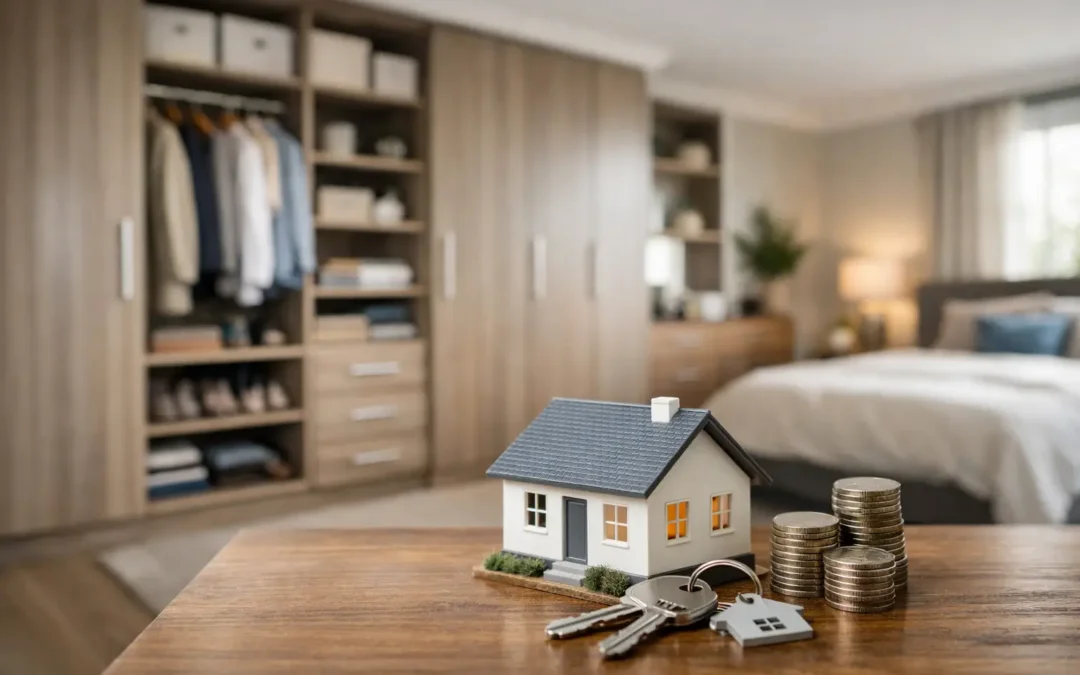
A spare-room wardrobe that blocks the light, a cluttered dressing table and boxes balanced on top of cabinets can make an otherwise good bedroom feel smaller than it is. So, can fitted wardrobes add value to a home? They can, particularly when they solve a genuine storage problem and look as though they belong to the property. But their value is not simply the price of the furniture added to an asking price.
For homeowners in Maidstone and across Kent, fitted bedroom furniture is usually most worthwhile when it improves daily life now while making the room easier for a future buyer to understand and enjoy. A well-planned wardrobe can create a calmer bedroom, make awkward space work harder and give the impression of a cared-for, considered home. A poorly chosen one can do the opposite.
Can fitted wardrobes add value in practice?
Fitted wardrobes rarely produce a pound-for-pound return in the way people sometimes expect from home improvements. No reputable designer should promise that spending a certain amount on wardrobes will add exactly the same amount, or more, to a valuation.
Their strongest contribution is often indirect. Buyers respond to usable storage, well-proportioned rooms and fewer obvious jobs to take on after moving in. If a bedroom has a sensible place for clothing, shoes, luggage and linen, it feels more liveable. That can strengthen its appeal against similar properties where storage is clearly lacking.
This matters especially in homes where freestanding furniture takes up valuable floor area. Built-in wardrobes can use the full height of a room and fit neatly around chimney breasts, sloping ceilings, alcoves and uneven walls. Instead of seeing a compromised layout, a buyer sees space being used intelligently.
The outcome still depends on the local market, the condition and value of the property, and the standard of the rest of the home. Fitted wardrobes will not compensate for a tired bathroom, unresolved maintenance issues or a bedroom that is too small for its intended use. They are one part of the overall impression, not a shortcut to a higher sale price.
Why buyers notice fitted storage
Storage is one of those practical details people may not mention during a viewing, yet it has a powerful effect on how a room feels. A clear floor, uncluttered surfaces and doors that close neatly make a bedroom appear calmer and often more spacious. That emotional response matters when buyers are comparing several homes in a short period.
Fitted wardrobes also suggest permanence. Unlike a freestanding unit that will leave with the current owner, properly integrated furniture is generally viewed as part of the home. It helps a prospective buyer picture themselves living there without having to budget for immediate bedroom furniture.
For family homes, the benefit can be even clearer. Children’s rooms need adaptable storage for clothes, toys, school items and the changing demands of growing families. In a main bedroom, practical internal organisation can make everyday routines easier for couples sharing the space. These are modest improvements individually, but together they help a home feel ready to move into.
The details that make a wardrobe more valuable
The best fitted wardrobes are designed around the room and the people who will use them. That sounds obvious, but it is where many projects succeed or fail. Before choosing door styles or colours, consider what needs to be stored and how the room is used at different times of day.
Make the layout work before choosing finishes
A tall hanging section may be essential for dresses, coats or suits, while double hanging can make better use of height for shirts and folded trousers. Deep drawers are useful for knitwear and bedding; shallow drawers suit smaller items. Shelves need to be accessible rather than simply plentiful.
The position of the wardrobe is equally important. It should not prevent a door from opening fully, restrict access around the bed or make the room feel pinched. In tighter rooms, sliding doors may be the right choice, while hinged doors can offer a wider view of the interior where there is enough clearance. A good design starts with accurate measurements and an honest assessment of what the room can comfortably accommodate.
Choose a style with broad appeal
Personal taste matters because you should enjoy your home, but very bold choices can narrow the appeal to future buyers. Timeless shaker-style doors, understated contemporary fronts, soft neutral shades and quality wood-effect finishes tend to sit comfortably in a wide range of homes.
This does not mean every wardrobe needs to be beige. A deep painted colour, fluted detail or carefully placed mirror can look excellent when it suits the property and the room’s natural light. The key is proportion. A glossy, heavily mirrored wall of doors may overwhelm a small period bedroom, while a traditional design can look out of place in a crisp modern extension.
Handles, edging and door alignment are small details with a large visual impact. Buyers may not identify them consciously, but they notice when furniture looks solid, doors sit straight and finishes are consistent.
Use light and mirrors carefully
Mirrored doors can make a compact bedroom feel brighter and are useful where there is no separate dressing mirror. However, they are not the answer for every room. Full-height mirrors can dominate a space, and too many reflective surfaces may feel cold or dated depending on the design.
Internal lighting can add convenience, particularly in a deep wardrobe or a dressing area, but it should be discreet and purposeful. The aim is a bedroom that feels restful, not a showroom display. Thoughtful lighting, good door operation and a well-organised interior often make a stronger impression than expensive extras chosen for their own sake.
When fitted wardrobes may not add much value
There are situations where the financial case is less compelling. If a property is likely to be sold very soon, spending heavily on a highly personalised bedroom scheme may not be recovered. A buyer may prefer to make their own choices, particularly in a renovation project where several rooms need updating.
Overbuilding for the property is another risk. An elaborate bespoke dressing room may be delightful in a high-value home with generous bedrooms, but it can look disproportionate in a modest property where basic repairs or a kitchen update would carry more weight. Budget should reflect the home, its location and the wider standard of finish.
Poor quality is also immediately counterproductive. Thin materials, unreliable runners, awkward door gaps and interiors that do not suit normal clothing storage can make fitted furniture feel like a problem rather than an asset. It is worth investing in design, materials and craftsmanship that will stand up to daily use.
Finally, avoid reducing flexibility. A wardrobe that consumes the only sensible wall for a bed, desk or cot can limit how a buyer uses the room. The most successful schemes maximise storage without dictating every inch of the bedroom.
Think of value beyond a future sale
A home improvement does not have to be judged solely by a future valuation. If fitted wardrobes remove morning clutter, create a useful place for everything and make a bedroom more enjoyable for years, that has real value to the household.
They can also reduce the need for additional chests, rails and temporary storage, helping a room remain ordered with less effort. For homes with awkward architecture, tailored furniture may be the only realistic way to gain meaningful storage without sacrificing the room’s character.
The most balanced approach is to set a clear budget, prioritise the rooms where storage is genuinely poor and choose a design you will still like in several years. Consider the whole bedroom, including flooring, wall colour, bedside space and natural light, rather than treating the wardrobe as an isolated purchase.
Planning a fitted wardrobe with confidence
Start with a practical conversation about the room, your belongings and your priorities. Take note of radiators, sockets, coving, loft hatches, window openings and uneven walls. These details influence both the design and cost, and addressing them early avoids disappointing compromises later.
Visiting a showroom is valuable because photographs cannot fully show door weights, internal fittings, finishes and the difference that good construction makes. At MBK Design Studio, the focus is on listening first, then shaping a fitted bedroom solution around the way your household lives and the character of your home.
If moving is part of your longer-term plan, ask yourself a simple question: would a buyer see this as useful, attractive and easy to live with? When the answer is yes, fitted wardrobes can make a meaningful contribution to your home’s appeal while giving you a better bedroom to enjoy in the meantime.