
A shower that starts at the right temperature, holds it reliably and can be switched on without reaching into a cold spray is a small luxury that quickly becomes part of everyday life. But knowing how to choose a digital shower means looking beyond the control panel. Your water system, household routine, bathroom layout and installation plans all shape which model will work well for years to come.
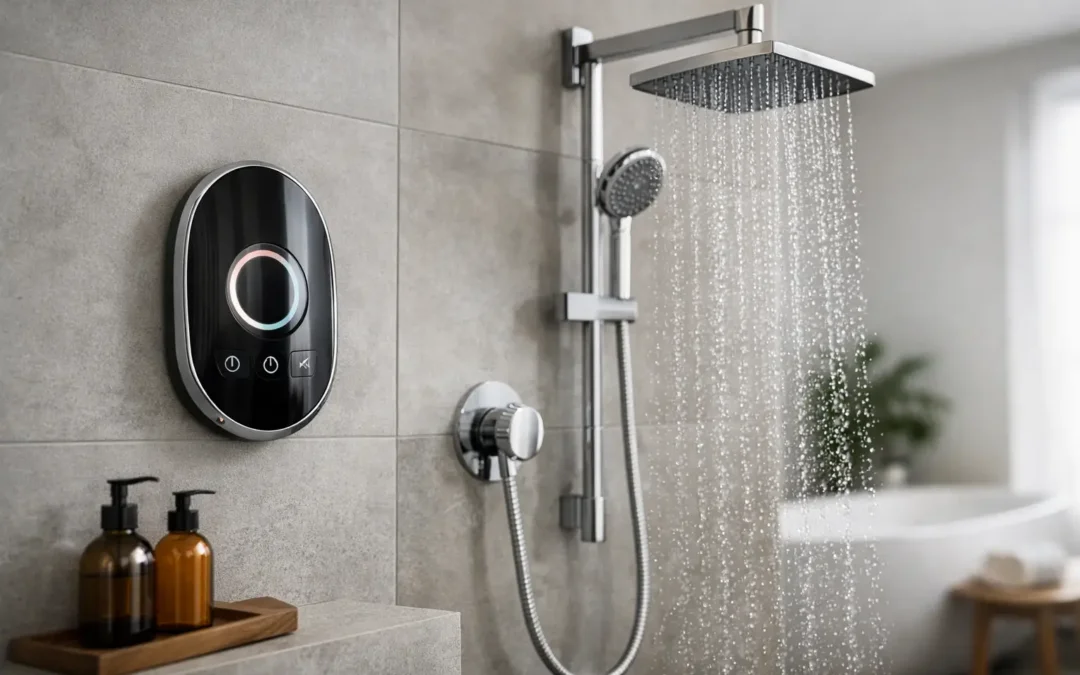
Digital showers separate the controls you use from the valve that mixes the water. The valve is usually fitted out of sight, while a slim controller lets you set temperature and flow with precision. Some systems offer remote activation, multiple outlets or app-based functions. The right choice is not necessarily the one with the most features – it is the one that fits your home and the way you use it.
Start with your water system
This is the most practical place to begin. A digital shower must be compatible with the water pressure and heating arrangement already in your property. Choosing the controls first and checking compatibility later can lead to unnecessary compromises or added cost.
Homes with a combi boiler generally need a high-pressure digital shower designed to work directly from the mains supply. The boiler must be capable of producing enough hot water for the shower’s required flow rate. If it is undersized, an impressive-looking shower may still feel disappointing when someone runs a tap elsewhere in the house.
Properties with a gravity-fed system, typically with a cold-water cistern in the loft and a hot-water cylinder, may need a pumped digital shower. A pump can provide a far stronger, more consistent flow, but it needs to be specified correctly for the available water supplies. In some cases, changes to the plumbing arrangement are advisable before installation.
Unvented cylinders and pressurised systems can often support high-performance showers, including rainfall heads and body jets. However, the total demand on the system still matters. A large overhead drench shower may look appealing in a showroom, but its performance depends on the pressure and volume of water your home can deliver.
A survey of the existing plumbing is worthwhile before finalising the design. It gives you a realistic understanding of what is possible, rather than making a decision based on a photograph or a feature list.
Decide what you want the shower to do
Digital showering can be very simple: a temperature control, an on/off button and a flow adjustment. For many households, that is exactly right. The benefits are clear, the interface is easy for guests and children to understand, and there are fewer functions to pay for or maintain.
More advanced systems can operate two outlets, such as a fixed overhead shower and a handset. This is a useful option in a family bathroom, where one person may prefer a generous rainfall head while another needs the flexibility of a hand shower. In a larger walk-in enclosure, a digital valve can also manage separate body jets, although these require careful planning around water pressure, drainage and pipework.
Remote start is another feature to consider realistically. It can allow the shower to warm up before you step in, which is particularly welcome on winter mornings. For some households, it is a genuine daily convenience. For others, a straightforward controller inside the shower area will be more than sufficient.
Think about the people using the room. A busy family may value a clear, intuitive display and a safe maximum temperature setting. A couple creating a principal en-suite may prioritise a minimalist appearance, concealed installation and a luxurious multi-outlet experience. Good bathroom design starts with the routine, not the brochure.
Choose controls that suit the room
One of the biggest attractions of a digital shower is the freedom to position the controls where they are most useful. They can be placed inside or outside the enclosure, at an accessible height, or beside the entrance so the shower can be started without getting wet.
A controller outside the enclosure is particularly helpful in a compact bathroom or when the shower is used by young children. It also keeps the showering area visually uncluttered. In contrast, an in-shower controller can be the neater choice where wall space outside the enclosure is limited.
Consider the finish as part of the wider scheme. Chrome remains versatile and easy to coordinate with many taps and accessories. Brushed brass, matt black and brushed nickel can create a more distinctive look, but matching finishes across different manufacturers is not always exact. Where a cohesive result matters, it is sensible to choose brassware and controls as part of a planned collection.
The controller should be easy to read and operate with wet hands. Touch controls look clean and contemporary, while tactile buttons or rotary controls may be preferred by those who want clear physical feedback. This is a small detail, but it affects everyday satisfaction.
Plan the installation early
A digital shower is easier to incorporate during a full bathroom refurbishment than as a late addition. The digital valve needs a concealed location with access for future servicing. This might be in a ceiling void, a stud wall, an airing cupboard or an adjacent cupboard, depending on the layout.
Do not assume that fully tiled walls can simply be opened up later without consequence. Pipe routes, electrical requirements, waterproofing and access panels should all be considered before the room is finished. A well-planned installation hides the technical elements without making maintenance difficult.
Digital showers require an electrical connection, so a qualified electrician is normally involved alongside the plumbing installation. The precise requirements vary by product and location, particularly in bathrooms where electrical zones and safety regulations apply. This is one reason a coordinated design-and-install approach can reduce uncertainty: the plumbing, electrics, wall construction and final finishes are considered together.
It is also worth thinking about drainage. If you are increasing the flow rate significantly, particularly with a large shower head or multiple outlets, the waste system must be able to cope. In a ground-floor bathroom this may be relatively straightforward; in an upstairs conversion, pipe falls and floor depth can influence what is practical.
Balance features against budget
The cost of a digital shower is more than the price of the controller and valve. Allow for the chosen outlets, any pump or alterations to the water system, electrical work, concealed pipework, boxing or studwork, tiling and installation labour. A simple replacement in an accessible location will be very different from fitting a multi-outlet system into a newly created en-suite.
It can be tempting to spend heavily on the most visible shower head while overlooking the valve and water supply behind the wall. In practice, reliable performance comes from the complete system. A well-specified valve with a suitably sized shower head will usually give greater long-term enjoyment than an oversized feature head working on inadequate pressure.
Ask about warranty terms, servicing access and the availability of replacement parts. Established brands often provide good support, but every concealed product needs to be installed in a way that allows sensible maintenance. This is especially relevant if you expect to stay in the property for many years.
How to choose a digital shower with confidence
Before making a final choice, bring together the practical details: your heating and water system, the number of users, preferred outlets, available wall and ceiling space, and the finish you want throughout the bathroom. This creates a clear brief and prevents attractive features from becoming expensive afterthoughts.
For homeowners planning a larger bathroom project in Maidstone or the surrounding Kent area, seeing controls, shower heads and finishes in person can make the decision much easier. The scale of an overhead head, the feel of a controller and the difference between metal finishes are hard to judge from images alone.
A digital shower should feel effortless once installed. Taking time to specify it properly means the technology stays in the background, leaving you with a bathroom that works beautifully from the first shower of the day to the last.