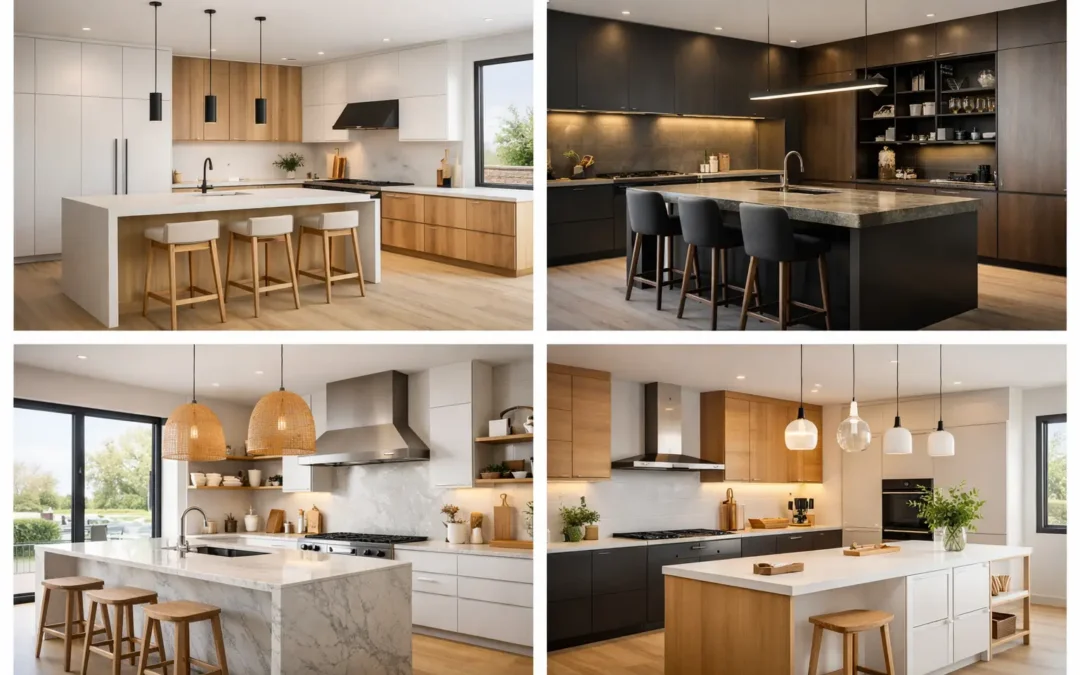
A modern kitchen can look effortless in a brochure and feel frustrating in real life. The difference is rarely the door style alone. It usually comes down to how well the room has been planned for cooking, storage, movement and the way your household actually lives. That is why looking at modern kitchen examples is useful – not to copy a picture outright, but to understand what makes a scheme work.
For most homeowners, the goal is not simply a kitchen that feels current. It is one that still looks right in ten years, stands up to daily use and makes the best of the space available. Some modern kitchens are crisp and architectural, others are softer and more family-focused. The best version for your home depends on layout, light, budget and how much maintenance you are prepared to live with.
What modern kitchen examples really have in common
Modern design is often reduced to handleless doors and grey units, but that is only one interpretation. In practice, the strongest modern kitchens share a few principles. They tend to use clean lines, disciplined materials, integrated storage and a layout that feels calm rather than crowded.
They also avoid unnecessary fuss. That does not mean they have to feel cold. Timber textures, warm whites, matt finishes and carefully chosen lighting can make a modern kitchen feel welcoming without losing that uncluttered look.
Another common thread is practicality. Deep drawers often replace awkward cupboards. Appliances are positioned to support the way the room is used. Worktops are chosen for durability as much as appearance. A well-designed modern kitchen should make everyday tasks simpler, not just photograph well.
10 modern kitchen examples worth borrowing from
1. The handleless family kitchen
This is the version many people picture first – flat slab doors, integrated appliances and long, uninterrupted runs of cabinetry. It works particularly well in open-plan homes because the visual lines stay tidy and the kitchen feels more like part of the living space.
The trade-off is that true handleless systems can cost more than a standard door with discreet hardware. They also need good quality manufacture and careful fitting to feel precise. If the room is used heavily by children, finger marks on darker matt finishes are worth thinking about early on.
2. The warm neutral modern kitchen
Not every modern kitchen needs bold contrast. One of the most successful approaches uses soft stone tones, taupe, cashmere or warm white cabinetry with matching or lightly contrasting worktops. This creates a calmer feel and suits homes where a stark monochrome scheme might look out of place.
This style often ages well because it is less tied to a short-lived trend. It also gives you more flexibility with flooring, wall colour and dining furniture. If you want a modern look that still feels timeless, this is often a sensible direction.
3. The modern kitchen with a statement island
An island remains one of the most requested features, and for good reason. In the right room it creates extra preparation space, more storage and a natural social point. It can also help define the kitchen zone in an open-plan layout.
The key phrase is in the right room. An undersized island squeezed into a tight space will make the whole kitchen harder to use. Good circulation matters more than having an island for the sake of it. In some homes, a peninsula or a large run of cabinetry delivers the same function with less compromise.
4. The small modern kitchen that uses every centimetre
Compact kitchens often produce the smartest ideas. Full-height cabinetry, integrated bins, internal drawer organisers and slimmer appliance choices can transform a modest room. Pale finishes and good lighting help, but the real success usually comes from planning storage around real items rather than generic cupboard counts.
This is where bespoke thinking earns its keep. A narrow pull-out beside the oven, a dedicated breakfast cupboard or a tall housing unit for pantry storage may make more difference than a fashionable finish. Small modern kitchens have little room for waste.
5. The two-tone modern kitchen
Two-tone schemes are popular because they break up large areas of cabinetry and add personality without making the room feel busy. A common approach is lighter wall units paired with darker base units, or a contrasting island against a softer perimeter run.
Done well, it brings depth and balance. Done poorly, it can look like two kitchens pushed together. The trick is to limit the palette and repeat materials with purpose. Usually, two colours are enough, with a third finish introduced through timber, metal or stone.
6. The modern kitchen with natural texture
If you like modern design but do not want a hard-edged feel, natural texture is often the answer. Wood-effect cabinetry, stone surfaces with movement, fluted glass and brushed metal details can soften the look while keeping the lines clean.
This kind of scheme works especially well in period properties being updated for modern living. It respects the character of the house without slipping into a pastiche traditional kitchen. That balance can be valuable in many Kent homes, where a property may have original features but still benefit from a more contemporary layout.
7. The open-plan entertainer’s kitchen
This example is built around sociability. It usually includes a generous island or breakfast bar, integrated appliances, layered lighting and clear sightlines to dining or seating areas. The aim is to make cooking feel connected to the rest of the room rather than hidden away.
It is an excellent solution for people who host regularly or want the kitchen to be the centre of family life. It does, however, demand discipline. Because the room is always on show, storage has to work hard and extraction needs to be effective. Otherwise, clutter and cooking smells travel further than you would like.
8. The appliance-led modern kitchen
For keen cooks, the best modern kitchen may start with appliances rather than colours. Banked ovens, induction hob with built-in extraction, warming drawers, integrated refrigeration and dedicated preparation zones can all shape the design.
This approach can deliver a kitchen that performs brilliantly, but it needs careful budgeting. Premium appliances can quickly absorb funds that might also be needed for cabinetry, worktops and installation. A good design process helps decide where high specification genuinely improves daily use and where a simpler option will do the job just as well.
9. The minimalist kitchen with hidden storage
Some of the most refined modern kitchen examples rely on concealed function. Pocket doors can hide a breakfast station. Utility storage can sit behind tall matching doors. Bins, recycling, spices and small appliances are tucked away so the room keeps its clean appearance.
This can be very effective, especially in open-plan spaces, but it works best when the hidden storage is genuinely convenient. If you have to wrestle with three doors just to make a cup of tea, the idea may be too clever for its own good. Minimalism should reduce friction, not create it.
10. The modern kitchen that mixes style with longevity
This final example is often the wisest. It takes the clean planning and uncluttered look of a modern kitchen, then tempers it with materials and details that will still feel right years from now. That might mean a muted colour palette, quality hinges and drawer runners, durable worktops and lighting that can adapt from task use to evening ambience.
This type of kitchen does not chase every trend. It is designed around the property, the household and long-term value. For many homeowners, that is the sweet spot between aspiration and practicality.
How to choose the right modern kitchen example for your home
The most appealing image is not always the best starting point. Begin with the room itself. Consider how many people use the kitchen at once, where natural light enters, what needs to be stored and whether the space has to support dining, working or entertaining.
Then think honestly about maintenance. Gloss finishes can reflect light beautifully, but some people prefer the softer look and easier feel of matt. Dark cabinetry can be dramatic, yet lighter tones may suit rooms with limited daylight. A large island sounds attractive, but not if it narrows walkways or removes useful cupboard space.
Budget matters too. There is usually a point where spending more improves longevity and function, and another point where the return becomes mostly aesthetic. Good design helps you tell the difference. In our experience at MBK Design, homeowners are often happiest when they invest first in layout, storage quality and installation standards, then shape the visual details around that foundation.
Why the best modern kitchen examples start with planning
A successful kitchen is rarely the result of one clever feature. It is the product of dozens of decisions made well – appliance placement, drawer depth, lighting levels, socket positions, worktop overhangs and how doors open when two people are using the room.
That is why planning should come before product selection. Once the layout is right, finishes become easier to choose because they are supporting a strong design rather than trying to rescue a weak one. The end result feels calmer, works harder and usually represents better value over time.
If you are collecting ideas, treat modern kitchen examples as reference points rather than rules. Notice what you respond to, but also ask why it appeals and whether it suits your home. A kitchen should feel current, certainly, but above all it should feel right every ordinary Tuesday morning as well as on the day it is fitted.