Some kitchen styles date almost as soon as the paint dries. Others can feel so rooted in the past that they struggle to suit modern family life. Modern classic kitchens sit comfortably between the two. They bring together the warmth and character people often want from a kitchen with the practicality, simplicity and longevity that everyday living demands.
For many homeowners in Maidstone and across Kent, that balance is exactly the point. A kitchen renovation is a major investment, and most people are not looking for something that feels driven by short-term trends. They want a room that looks refined now, works hard every day and still feels right years down the line. That is why this style continues to appeal to households who want quality, flexibility and a finish with lasting value.
What makes modern classic kitchens different?
A modern classic kitchen is not simply a traditional kitchen with newer appliances, and it is not a contemporary kitchen with a few decorative touches added in. The best examples are carefully balanced. They use timeless design cues such as framed doors, considered proportions and softer detailing, but pair them with cleaner layouts, integrated storage and up-to-date materials.
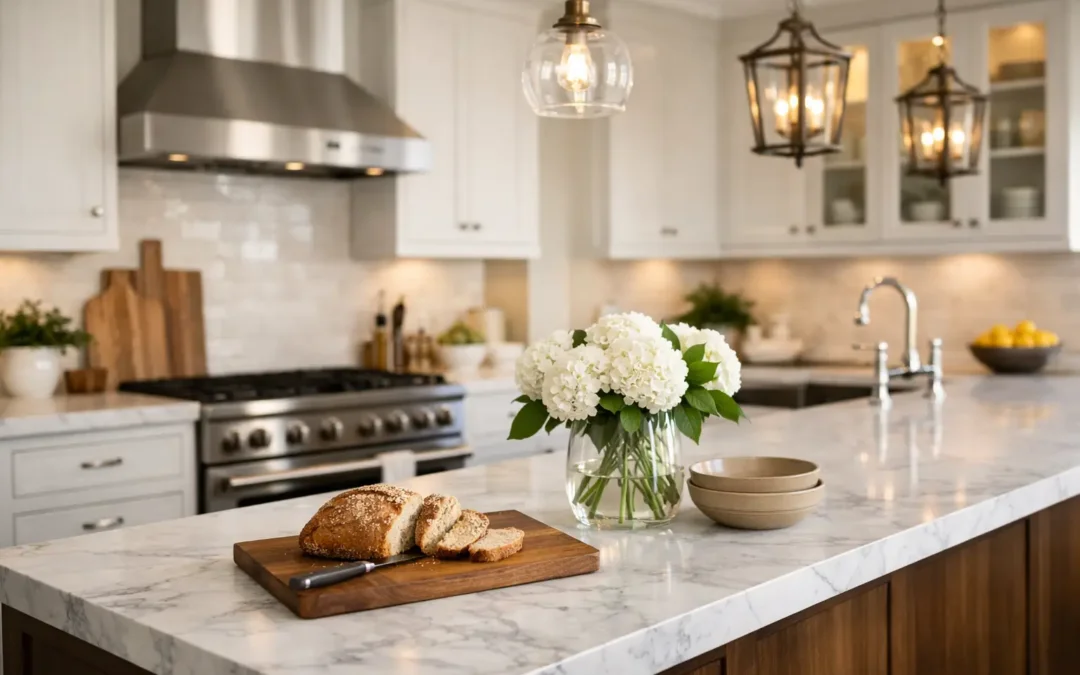
The result is a kitchen that feels elegant without being overly formal. You might see shaker-style cabinetry, but with a slimmer frame and a pared-back colour palette. Worktops may have the look of natural stone, while offering the durability and lower maintenance many busy households prefer. Handles, taps and lighting tend to be chosen with restraint, adding character without competing for attention.
This is where experience in design matters. The line between classic and dated can be a fine one, just as the line between modern and cold can be easy to cross. Getting the mix right depends on proportion, finish and how each decision supports the overall room.
Why this style works so well in real homes
One reason modern classic kitchens have such broad appeal is that they suit a wide range of property types. In a period home, they can respect original character without pretending every part of the room belongs to another era. In a newer property, they add warmth and depth that a purely minimalist scheme can sometimes lack.
They also cope well with changing needs. Family kitchens need generous storage, durable surfaces and layouts that help people move around each other with ease. At the same time, many homeowners want the space to feel smart enough for entertaining and calm enough to spend time in beyond cooking. A modern classic approach supports both.
There is also a practical financial advantage. While no style is entirely future-proof, kitchens with a more timeless foundation tend to age better than highly trend-led schemes. If you are investing significantly in cabinetry, worktops and installation, it makes sense to choose a look with staying power.
The design details that shape the look
Cabinetry sets the tone
Cabinets do most of the visual heavy lifting in any kitchen, and in a modern classic scheme they usually establish the style immediately. Shaker doors remain a popular choice for good reason. They are simple enough to feel current, but detailed enough to avoid looking flat or generic.
That said, the exact profile matters. A very heavy frame can push the room towards a more traditional feel, while a narrow, well-proportioned frame keeps the look fresher. In some homes, an in-frame effect can add craftsmanship and depth, but it is not essential. It depends on the property, the budget and how formal you want the kitchen to feel.
Colour should feel calm, not cautious
Modern classic kitchens often work best in colours with longevity. Soft whites, warm neutrals, greys, taupes, muted greens and deeper blues all sit well within the style. These shades have enough character to bring interest, but they are generally easier to live with over time than very stark or highly fashion-led colours.
Two-tone cabinetry can work particularly well, especially where an island or bank of tall units is used to add contrast. The key is subtlety. Strong contrast can be effective, but if every element is trying to stand out, the overall effect can feel less timeless.
Worktops and splashbacks need the right balance
Natural stone, quartz and quality porcelain surfaces all have a place in modern classic kitchens. The best choice depends on how you use the room and how much maintenance you are comfortable with. Natural materials bring unique character, but engineered options can offer easier day-to-day care and better consistency.
Splashbacks are often most effective when kept simple. A full-height stone or stone-effect surface behind the hob can feel clean and contemporary, while metro or handcrafted-style tiles can introduce a more classic note. Neither is automatically better. The right answer depends on the cabinetry, the lighting and the level of texture already in the room.
Hardware and lighting finish the room
Handles, knobs, taps and pendants are smaller decisions, but they have a strong influence on the final feel. A brushed brass handle can warm up painted cabinetry beautifully, while matt black creates a sharper, more architectural edge. Chrome and stainless steel often suit homeowners who want a crisp, understated finish.
Lighting should be layered rather than treated as an afterthought. Pendants over an island add focus and character, but task lighting under wall units and well-planned ceiling lighting are what make the room comfortable to use every day.
Modern classic kitchens still need modern planning
A kitchen can look timeless and still fail in daily use if the layout is not right. This is one of the biggest mistakes in renovation projects. People can become understandably focused on finishes, colours and door styles, but good design starts with how the room will actually work.
Think first about movement. How far do you need to carry shopping from the door to the fridge or pantry area? Is there enough clear preparation space beside the hob and sink? Can two people cook together without constantly stepping around each other? If children do homework at the island, or guests gather near the cooking area, does the layout support that safely and comfortably?
Storage deserves the same level of attention. Deep pan drawers, internal pull-outs, integrated bins and well-planned larder storage make a noticeable difference to how tidy and efficient a kitchen feels. In modern classic kitchens, these practical features are often hidden behind elegant cabinetry, which is exactly why the style works so well. You get the visual softness of a timeless scheme with the convenience expected from a modern renovation.
Where homeowners sometimes get it wrong
The most common issue is trying to force too many ideas into one room. Ornate cornices, statement splashbacks, bold veining, heavily detailed doors and decorative lighting can all be attractive individually, but together they can compete rather than complement.
Another frequent problem is choosing a style without considering the property itself. A kitchen should not feel disconnected from the rest of the house. That does not mean every room must match, but there should be a sense of continuity in tone, quality and overall character.
Budget planning also matters. It is sensible to invest where performance and longevity count most – cabinetry quality, worktops, appliances, installation and practical storage. Decorative details can elevate the scheme, but they should not come at the cost of the fundamentals.
This is often where a showroom-led design process proves valuable. Seeing colours, finishes and door styles in person gives a much clearer picture than trying to piece everything together from small samples or online images. It also helps avoid expensive decisions made in isolation.
Is this the right kitchen style for you?
If you want a kitchen that feels warm, tailored and current without chasing fashion, the answer is often yes. Modern classic kitchens suit homeowners who value detail, but do not want fuss. They appeal to those who want a room to mature gracefully rather than demand a redesign in five years.
They are especially well suited to households investing in quality for the long term. If your priority is a statement kitchen built around sharp trends alone, there may be bolder contemporary directions to consider. But if you want a space that combines beauty with practicality and feels at home in everyday life, this style is hard to overlook.
At MBK Design, we often find that homeowners start by asking for something modern or something traditional, then discover they actually want the balance in between. That is where the most enduring kitchens are often found – not at either extreme, but in the careful decisions that make a space feel right for your home, your routine and the years ahead.
A well-designed kitchen should not just impress on day one. It should still feel considered, comfortable and dependable long after the renovation dust has settled.