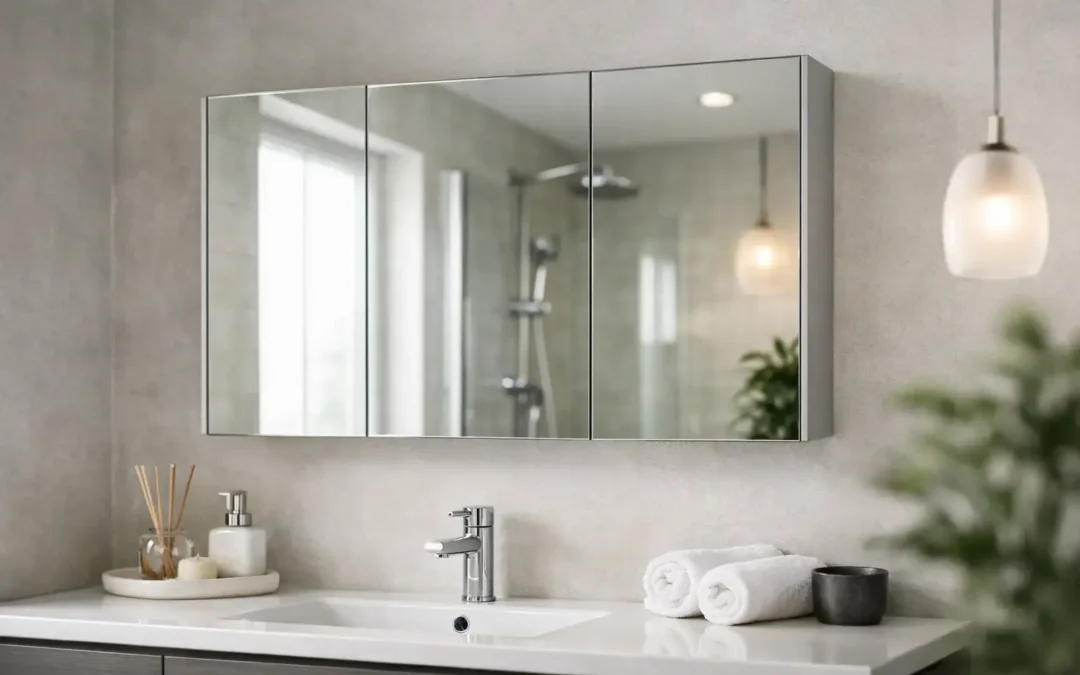
A mirrored cabinet can be one of the hardest-working pieces in a bathroom. The best mirrored bathroom cabinets do far more than provide a place to check your reflection: they clear clutter from the basin, improve the room’s lighting and help a compact layout feel considered rather than crowded.
The right choice is rarely simply the largest cabinet that will fit on the wall. It needs to suit the width of the basin, the people using the room, the available storage and the overall character of the bathroom. Get those details right at the planning stage and a practical necessity becomes a feature you will appreciate every morning.
What makes the best mirrored bathroom cabinets?
A good mirrored cabinet balances proportion, usable storage and everyday comfort. That sounds straightforward, but bathroom layouts ask a lot of a relatively small wall space. The cabinet may need to accommodate toothbrushes, medicines, skincare, electric shavers and make-up, while still leaving enough room above the basin tap and avoiding an overbearing appearance.
Start with the basin and vanity unit. A cabinet that is the same width as the basin often creates a neat, balanced look. A slightly wider design can work particularly well above a generous double vanity, provided it does not extend so far that it dominates the wall. In a narrow cloakroom, a slim single-door model may offer more value than a broad cabinet with shallow, awkward storage.
Depth matters just as much. Deeper cabinets hold more, but can project into the room and make a tight bathroom feel less comfortable. Around 120 to 150mm is often enough for daily toiletries, although the ideal depth depends on circulation space and where the basin is positioned. A well-planned shallow cabinet with adjustable shelves can be more useful than a deep one where items disappear behind one another.
Door design deserves attention too. Soft-close hinges prevent the repeated knock of a closing door, while double doors can be more practical on wider cabinets. Sliding mirrored doors avoid a door opening into a restricted space, but may only allow access to part of the cabinet at once. There is no universal winner – it depends on the room and how the cabinet will be used.
Choose the right size and position
The cabinet should be centred on the basin rather than simply centred on the wall. This small decision makes a major visual difference, especially where the toilet or shower creates an off-centre layout. Allow enough clearance above the basin tap so that the cabinet is not at risk from splashing, and position it at a height that works comfortably for the main users of the bathroom.
For family bathrooms, think beyond the person whose eye line seems most obvious during a showroom visit. A cabinet mounted too high can be inconvenient for children, while one too low may feel cramped for taller adults. A sensible compromise is normally possible, particularly when the cabinet has a tall mirror face.
Before choosing a wide cabinet, consider nearby doors, shower screens and tall units. Opening a cabinet door should not clash with a shower enclosure or obstruct the route through the room. These are the small practical details that are easy to overlook in a product photograph but matter every day once the bathroom is complete.
Single, double or triple door?
A single-door cabinet suits smaller basins, en suites and cloakrooms. It keeps the wall calm and can provide surprisingly useful storage where shelves are well arranged. Double-door models are a natural choice above wider vanity units and offer better organisation for two people sharing the room.
Triple-door cabinets are worth considering in larger bathrooms, particularly where a double basin is the focal point. They create an expansive mirrored surface and can provide separate storage zones for each user. However, they need adequate wall width and should not be chosen solely because they offer the greatest capacity. In a modest room, a large mirrored cabinet can look heavy and reduce the sense of space it was meant to improve.
Lighting is useful, but not every cabinet needs it
An illuminated mirrored cabinet can transform the daily routine, particularly in bathrooms with limited natural light. Integrated LED lighting gives a more even view for shaving, skincare and applying make-up than a single ceiling fitting. It also adds a gentle evening light that can make the room feel more relaxing.
Look for light around the face rather than a strip that casts shadows downward. Colour temperature is another worthwhile consideration. Warm white lighting feels softer and more restful, while a neutral white tends to give a clearer, more natural reflection. If possible, see the illumination in person rather than relying on online images.
Demisting pads are a genuinely helpful feature in busy bathrooms. They keep part of the mirror clear after a shower, saving the familiar wipe with a towel sleeve. Shaver sockets and USB charging points can also be convenient, but only where they suit your household’s habits and the electrical design of the room.
These features do add to the cost, so it is worth being honest about which ones will earn their place. A beautifully proportioned, well-made non-illuminated cabinet with excellent storage may be the better investment than a feature-packed model that compromises on size or finish.
Storage should support your routine
The most successful cabinets are organised around what you actually use. Adjustable glass shelves allow taller bottles to fit without wasting space. Internal mirrors are useful when a door is open, and dark cabinet interiors can make small items harder to find, whereas lighter finishes often feel cleaner and brighter.
It is also wise to be selective about what lives near the basin. Daily essentials belong in the cabinet; bulk supplies, cleaning products and spare toiletries are usually better placed in a vanity unit or another cupboard. Overfilling the cabinet makes it harder to find anything and puts extra strain on hinges over time.
For shared bathrooms, internal divisions can reduce morning friction. One person may want quick access to skincare, another to shaving products or contact lens supplies. Planning separate shelves or zones is a modest detail that makes a bathroom work better for everyone.
Match the cabinet to the bathroom’s style
A frameless mirrored cabinet is a reliable choice for contemporary bathrooms. Its clean edges allow tiles, brassware and furniture to take the lead, and it can make a small room feel more open. Recessed cabinets can enhance that streamlined effect, sitting closer to the wall and reducing projection into the room.
Framed models bring more definition. Black frames work well in modern industrial-inspired schemes, while brushed brass, bronze or warm metallic detailing can tie in with taps and shower fittings. In a traditional bathroom, a softly profiled frame or a cabinet with a painted surround may better suit the furniture and sanitaryware.
Consistency matters, but matching every finish exactly is not essential. A brushed brass cabinet frame beside brassware from a different range can still look elegant if the tones are close. What tends not to work is mixing distinctly cool chrome, yellow brass and black accents without a clear design reason.
Think about quality beyond the mirror
Bathroom cabinetry lives with moisture, temperature changes and frequent handling. The mirror itself should be clear and well finished at the edges, but the cabinet carcass, seals, hinges and shelf supports are equally important. Cheap fittings can soon reveal themselves through doors that drop, shelves that wobble or finishes that deteriorate around corners.
Check that the cabinet is designed specifically for bathroom use and that any integrated electrical elements have the appropriate IP rating for their position in the room. Electrical planning needs to be considered early, particularly if you want lighting, demisting or charging points, rather than treated as a late addition.
A showroom visit can be valuable here. Opening doors, testing the soft-close action and seeing the real mirror size often tells you more than measurements on a page. At MBK Design Studio, the wider bathroom design is considered alongside the cabinet choice, helping ensure that lighting, tile lines, furniture proportions and storage all work together.
Budget for the cabinet as part of the whole room
Prices vary widely. Basic mirrored cabinets can appear attractive at first, but may offer limited shelf adjustment, thinner construction and less durable hinges. At the other end, premium illuminated cabinets can include demisting, sensor operation, internal lighting and charging facilities, with a price to reflect it.
The sensible question is not simply what the cabinet costs on its own. Consider how much visible clutter it removes, whether it reduces the need for extra storage elsewhere and how long it is likely to perform well in a damp environment. For a bathroom refurbishment intended to last, spending a little more on the cabinet used twice a day can be easier to justify than investing only in decorative finishes.
Bring a few measurements, photographs and an honest list of what currently gathers around your basin when choosing. The cabinet that gives every essential a proper place, sits comfortably within the room and suits the way you live will feel right long after the newness of the bathroom has settled.