A modern kitchen is not simply a room with handleless doors and a few trendy finishes. For most homeowners, it means a kitchen that looks clean, works hard every day and feels tailored to the way the household actually lives. That might mean open-plan family cooking, better storage, easier cleaning or a calmer, more refined look. The style matters, but the function matters just as much.
For that reason, modern kitchen design is often less about following fashion and more about making deliberate choices. A well-designed modern kitchen should feel uncluttered, efficient and comfortable to use, whether you are preparing weekday meals, entertaining friends or trying to keep a busy family space under control.
What is a modern kitchen in practical terms?
If you are asking what is a modern kitchen, the simplest answer is this: it is a kitchen designed around clean lines, practical layouts and a streamlined appearance. It usually avoids ornate detailing, heavy mouldings and decorative excess. Instead, it focuses on simplicity, proportion and materials that feel current without being short-lived.
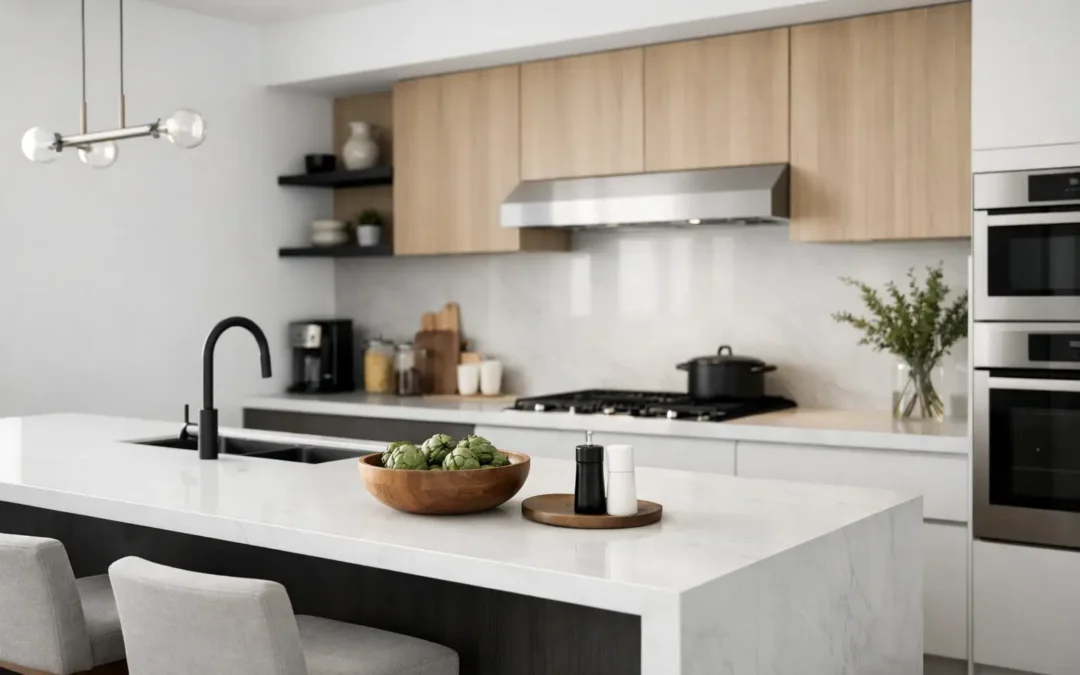
That does not mean every modern kitchen looks the same. Some lean towards a soft, understated look with matt finishes, warm wood tones and subtle lighting. Others are sharper and more architectural, with bold contrasts, stone surfaces and minimalist cabinetry. The common thread is clarity. Everything has a purpose, and the room is designed to feel visually calm.
In many homes, a modern kitchen also reflects a more contemporary way of living. Kitchens are no longer hidden utility spaces. They are often the social centre of the home, used for cooking, dining, working, homework and conversation. A modern design responds to that reality.
The features that define a modern kitchen
The most recognisable feature of a modern kitchen is its clean, uncluttered appearance. Cabinet doors are often flat-fronted or very simply detailed. Handles may be minimal, recessed or removed altogether. Worktops tend to be sleek rather than heavily profiled, and appliances are often integrated to keep the look tidy.
Colour palettes in modern kitchens are usually controlled and intentional. White, grey, taupe, black and natural timber remain popular because they create a timeless base, but modern does not have to mean neutral. Deep green, navy and earthy tones can work beautifully when balanced well. The key is restraint. Rather than layering lots of colours and patterns, modern kitchens tend to use fewer elements more confidently.
Materials also play an important role. You will often see quartz, ceramic, glass, timber veneers, brushed metal and high-quality laminates used to create a refined finish. These materials are chosen not only for appearance but also for durability and ease of maintenance. That is especially important in a room that sees constant use.
Lighting is another defining element. Modern kitchens rely on good layered lighting rather than a single central fitting. Practical task lighting under wall units, feature pendants over an island and discreet ambient lighting all help the room feel both functional and welcoming.
Layout matters as much as style
A kitchen can look modern in photographs and still be frustrating to use. This is where good planning makes the difference.
Modern kitchen design usually starts with the layout. The aim is to create smooth movement between the main working areas, typically the hob, sink and refrigeration. In some homes, that means a galley layout that uses limited space efficiently. In others, it could be an L-shaped or U-shaped design, or a large open-plan kitchen with an island at the centre.
The best layout depends on the room, the property and the people using it. A couple who enjoy entertaining may prioritise seating and open space. A growing family may need more storage, durable finishes and room for several people to use the kitchen at once. This is why there is no single blueprint for a modern kitchen. Good design responds to the household, not just the latest showroom trend.
Storage in a modern kitchen
One reason modern kitchens appeal to so many homeowners is that they make everyday life feel more organised. That is largely down to storage.
A modern kitchen should reduce visible clutter. Deep pan drawers, internal organisers, pull-out larders, corner storage solutions and integrated bins all help keep worktops clear and essentials easy to reach. Appliance garages, breakfast cupboards and hidden charging points are also increasingly popular, especially in open-plan spaces where visual tidiness matters.
That said, more storage is not always better if it is poorly planned. Oversized units can become awkward, and highly specialised internal fittings can add cost without much practical benefit. The right approach depends on what you own, how you cook and how you want the room to feel.
Is a modern kitchen always minimalist?
Not necessarily. This is one of the most common misconceptions.
Minimalism has influenced modern kitchen design, but a modern kitchen does not have to feel cold or sparse. In fact, many of the most successful modern kitchens balance clean lines with warmth and texture. Wood accents, softer colours, open shelving, upholstered seating and carefully chosen lighting can all make the space feel more inviting.
There is also a difference between modern and contemporary. Modern kitchen style usually refers to a defined design approach based on simplicity and function. Contemporary kitchens reflect what is current right now, which can include features borrowed from industrial, classic or even traditional styles. In practice, many homeowners prefer a blend. They want a kitchen that feels up to date but not too clinical, stylish but still comfortable.
Choosing finishes that will last
A modern kitchen is a significant investment, so appearance alone should never drive the decision.
Gloss finishes can reflect light and make smaller kitchens feel larger, but they show fingerprints more easily. Matt doors offer a softer, more understated look, although some finishes can mark if the quality is poor. Dark cabinetry can look striking, but it may make a compact room feel heavier if there is not enough natural light. Pale colours feel airy and versatile, yet they need enough contrast to avoid looking flat.
Worktop choice brings similar trade-offs. Quartz is popular for good reason because it is durable and low maintenance, while natural stone has unique character but may require more care. Ceramic is highly practical, though the visual effect can be more architectural than some homeowners want. These are not right-or-wrong decisions. They are choices that need to be matched to lifestyle, budget and taste.
Technology and appliances in a modern kitchen
Appliances are often a big part of what makes a kitchen feel modern, but they should support the design rather than dominate it.
Integrated refrigeration, built-in ovens, induction hobs, boiling water taps and clever extraction systems are all common in modern kitchens. Many homeowners also look for energy-efficient models and features that make daily use easier, such as pyrolytic cleaning, flexible cooking zones or quieter dishwashers.
Still, it is worth being selective. Not every smart feature adds genuine value. Some households will love app-controlled appliances and advanced cooking functions, while others simply want reliable, easy-to-use products that fit neatly into the design. The best choices are usually the ones that improve day-to-day living rather than impress for a week and then get ignored.
Why homeowners choose a modern kitchen
For many people, a modern kitchen offers the right balance of style and practicality. It can make a home feel lighter, more spacious and better organised. It can also add long-term value, particularly when the layout and finish quality are handled properly.
Just as importantly, modern kitchens suit the way many households live now. Open-plan design, multi-functional spaces and integrated storage all support a more flexible home life. Whether you are renovating a period property or updating a newer house, modern kitchen principles can be adapted to fit the setting.
The strongest results usually come from thoughtful design rather than copying a trend outright. An experienced kitchen designer will help you judge where to invest, what to simplify and how to create a room that still feels right years from now. For homeowners in Kent considering a renovation, that kind of guidance can make the process far more straightforward and far more rewarding.
A modern kitchen should not just photograph well. It should feel good on a rushed Monday morning, during a family gathering and in the quieter moments when you simply want your home to work exactly as it should.