
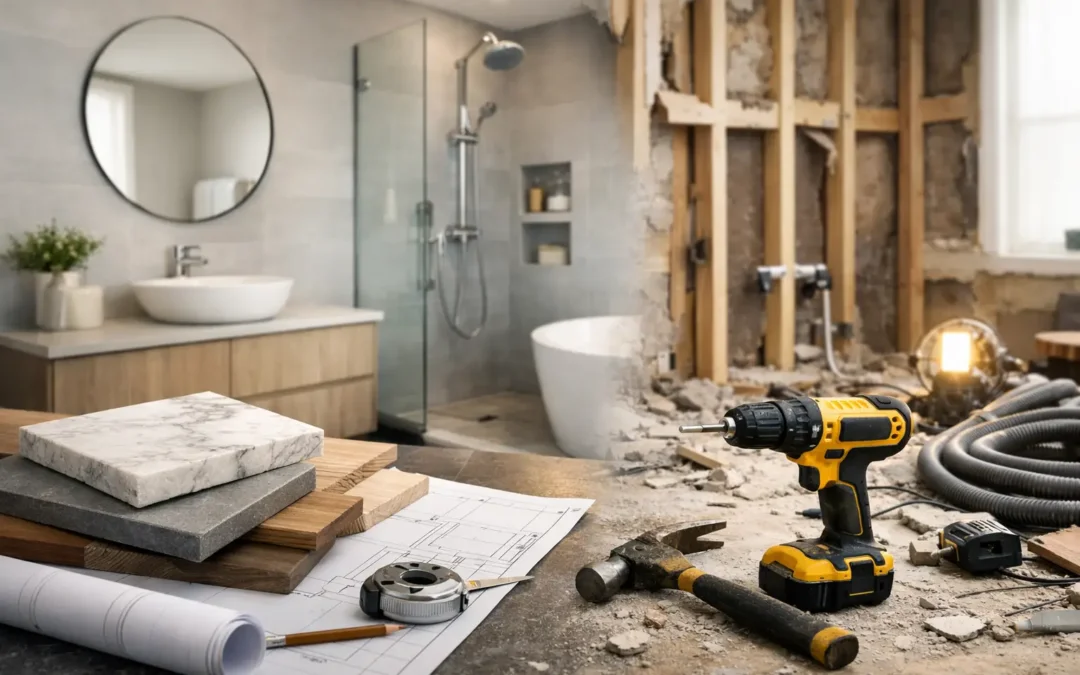
A bathroom quote can look straightforward until you realise how many decisions sit behind it. Tiles, brassware, layout changes, waterproofing, lighting, heating, labour, waste removal – the final figure is shaped by far more than the suite itself. That is why a clear bathroom renovation cost guide matters. It helps you budget with confidence and avoid the false economy of choosing purely on headline price.
For most homeowners, the real question is not simply “How much does a new bathroom cost?” but “What am I getting for that spend, and will it stand up to daily use?” A well-planned renovation should improve comfort, storage, efficiency and the overall feel of the room. It should also reduce the risk of leaks, poor finishes and expensive corrections later.
What a bathroom renovation cost guide should include
A useful bathroom renovation cost guide looks beyond fittings on a price list. The total cost usually includes design time, preparation work, product supply, plumbing, electrical work, tiling, flooring, decorating, installation and disposal of old materials. In some properties it may also include replastering, levelling floors or repairing hidden damage uncovered once the old bathroom is removed.
This is one reason bathroom projects vary so much. Two rooms of similar size can land at very different budgets depending on condition, specification and complexity. A straightforward replacement of like-for-like items will usually cost less than a full redesign that moves pipework, builds in storage and upgrades lighting and ventilation.
Typical bathroom renovation cost ranges
As a broad guide, a modest bathroom refurbishment with sensible, good-quality products and limited layout changes may start from around £6,000 to £8,000. A mid-range project with better fittings, more tile coverage, improved storage and a stronger design finish often falls between £8,000 and £15,000. A more bespoke renovation with premium materials, specialist features and significant layout alterations can exceed £15,000 quite comfortably.
These figures are not fixed rates, and they should never be treated as universal. They are starting points for conversation. In homes across Maidstone and the wider Kent area, age of property, access, existing plumbing arrangements and product choices all influence the final cost.
What matters most is understanding where your budget is going. A lower quote may leave out essential elements such as preparation work, extraction upgrades or final decoration. A higher quote may reflect better products, more thorough project coordination and a more reliable finish.
The biggest factors affecting bathroom renovation costs
Room size and layout
A larger bathroom usually needs more tiles, more labour and often more fittings. That said, size is only part of the story. A small bathroom with an awkward shape, sloping ceiling or difficult access can be just as demanding to renovate as a bigger one.
Layout changes are one of the quickest ways to increase cost. Moving a WC, basin or shower can involve extra plumbing work, flooring alterations and more time on site. Sometimes that spend is worth it if it transforms how the room works. Sometimes keeping key services in place frees up budget for better finishes.
Quality of products
There is a visible difference between entry-level and premium products, but the more important difference is often in durability. Cheaper taps may look attractive at first and then begin to show wear, loosen or fail far sooner than expected. The same applies to furniture, enclosures, trays and even tile quality.
This does not mean every bathroom needs top-end specification. It means matching the product level to how the room is used. A busy family bathroom usually benefits from harder-wearing choices than a little-used cloakroom or guest en suite.
Tiling and surface finishes
Tiles can account for a significant share of the budget, especially if you choose full-height wall tiling, patterned designs, large-format porcelain or detailed laying patterns. Labour costs also rise when cuts are more complex or when walls and floors need extra preparation to achieve a proper finish.
If budget is under pressure, this is often an area where sensible adjustments can help. Half-height tiling, combining tiles with painted walls, or choosing a simpler format can reduce cost without making the room feel compromised.
Plumbing, electrics and hidden repairs
Older bathrooms can conceal problems that only appear once work begins. Damaged plaster, rotten flooring, outdated pipework and inadequate ventilation are common examples. None of these are glamorous parts of a renovation, but dealing with them properly is essential.
Electrical improvements may also be needed if you want mirror lighting, shaver points, underfloor heating or upgraded extractor fans. These additions can make the room far more comfortable to use, but they need to be factored into the budget from the outset.
Where to spend and where to be careful
If you are trying to balance quality and budget, it usually makes sense to prioritise the elements that are hardest to change later. Good installation, reliable waterproofing, solid brassware, quality furniture construction and proper ventilation are worth serious attention. These are the parts that affect longevity and day-to-day performance.
You may be able to save money more safely on cosmetic choices that can be updated later, such as accessories, some lighting styles or decorative details. Even then, the aim should not be to buy the cheapest option available. It should be to choose products that offer dependable value.
A bathroom is a hard-working room. Constant moisture, heat changes and daily use expose poor workmanship quickly. Saving money at the start can become expensive if doors swell, grout cracks, trays move or fittings begin to fail.
Why labour and project management matter
One of the most misunderstood parts of any bathroom budget is the labour element. Homeowners naturally compare the visible products, but the quality of fitting has just as much impact on the end result. Precise tiling, accurate pipework, neat finishing and careful scheduling all take time and skill.
Project management also has value, particularly when several trades are involved. Coordinating deliveries, installers, electricians, plumbers and finishing work can be stressful if handled separately. A managed service reduces that burden and often helps avoid delays, misunderstandings and costly rework.
For homeowners who want one point of contact from design through to installation and aftercare, that level of coordination is often worth the investment. It is not simply about convenience. It is about accountability.
How to budget realistically
The best approach is to begin with a target range rather than a single number. If your ideal spend is £10,000, it is wise to think in terms of £10,000 to £12,000 rather than assuming every detail will land exactly on budget. Renovation projects are rarely improved by leaving no flexibility at all.
It also helps to separate essentials from upgrades. Essentials might include replacing tired sanitaryware, improving storage, addressing poor ventilation and updating tiling in wet areas. Upgrades might include underfloor heating, premium finishes or bespoke fitted furniture. Once you know which category each choice sits in, decisions become clearer.
A contingency is sensible too, especially in older homes. Even a modest allowance can make a big difference if hidden issues appear once the room is stripped out.
Bathroom renovation cost guide mistakes to avoid
The most common mistake is comparing quotes that do not cover the same work. One proposal may include design, waste removal, flooring preparation and installation accessories, while another excludes them. The cheaper figure is not always the better value.
Another mistake is choosing products in isolation without thinking about the room as a whole. A beautiful freestanding bath may look impressive in a showroom, but if it limits storage or makes cleaning awkward, it may not suit the space. Good bathroom design is always a balance between appearance, practicality and budget.
It is also worth being realistic about timescales. Rushing decisions can lead to compromises, supply issues or expensive changes mid-project. Careful planning usually saves both money and stress.
Thinking beyond the initial spend
A bathroom should earn its keep over many years. That means looking beyond the installation cost and considering maintenance, water efficiency, cleaning effort and how well the space will age. Sometimes a slightly higher upfront spend gives better long-term value because the materials last longer and the room continues to function well.
This is where experience makes a real difference. A knowledgeable designer can often steer you away from choices that look appealing on paper but prove less practical in real life. At MBK Design, that guidance is part of helping customers create bathrooms that feel right not just on day one, but years later as well.
If you are planning a renovation, the most useful next step is not guessing a number from a generic online average. It is getting clear advice based on your room, your priorities and the level of finish you want. A bathroom budget works best when it is shaped around real decisions, not rough assumptions.
A good bathroom does more than refresh a house. It makes ordinary mornings easier, evenings more relaxing and the home itself feel better cared for – and that is usually where the best value lies.